
Food Waste Prevention Week 2026: How Foodservice Can Lead the Way


Food Waste Prevention Week runs September 28 to October 4, 2026. Communities, schools, businesses, and state governments across the country are taking part, and states like Vermont and Florida have officially recognized the week. The goal is simple: waste less of the food we grow, buy, and cook.
Most of the conversation focuses on home kitchens, which makes sense. But some of the biggest opportunities are in hospital cafeterias, university dining halls, hotel banquet kitchens, and corporate cafés. Those are kitchens where one production decision can affect hundreds of meals.
Food waste is a climate issue

Food loss and waste make up 8 to 10% of annual global greenhouse gas emissions. In 2022, households, retailers, and foodservice operations worldwide wasted more than 1 billion tonnes of food, according to the UN Environment Programme.
The U.S. numbers are just as serious. ReFED's 2026 U.S. Food Waste Report found that:
The U.S. generated 70 million tons of surplus food in 2024, about 29% of the national food supply.
That surplus was worth $380 billion, or about $762 per person.
Its greenhouse gas footprint equals the emissions of 51 million cars driven for a year.
Less than 13% of food that could have been donated actually was.
When food goes uneaten, the food isn't the only loss. So is the water, energy, fuel, labor, and packaging that went into it. Food sent to landfill also breaks down into methane, which traps far more heat than carbon dioxide in the short term.
What the numbers look like in foodservice
Foodservice carries a big share of the problem. ReFED's foodservice sector data shows the industry generated 12.5 million tons of surplus food, valued at $157 billion. That's about 14% of foodservice sales. About 78% of that waste, 9.73 million tons, went to landfill. The sector's surplus food produces an estimated 63.6 million metric tons of CO2e every year. Prepared foods account for most of it, at 11.2 million tons. That last figure says a lot.
A lot of food waste isn’t spoiled produce. It’s the extra pan of pasta after lunch, catering prepared for guests who didn’t show, or sides that sat too long on the line. That food was cooked, but never eaten. Better production decisions can prevent some of it.
There's real progress to build on
ReFED's latest report also brought good news. U.S. surplus food fell 2.2% from 2023 to 2024, the first meaningful year-over-year drop since the pandemic. Membership in the Food Waste Pact doubled to 30 signatories. States introduced 110 food waste bills in 2025, and funding for food waste solutions grew 6% to $794 million. That progress is happening because a lot of people are pushing in the same direction at once.
Preventing food waste takes a community
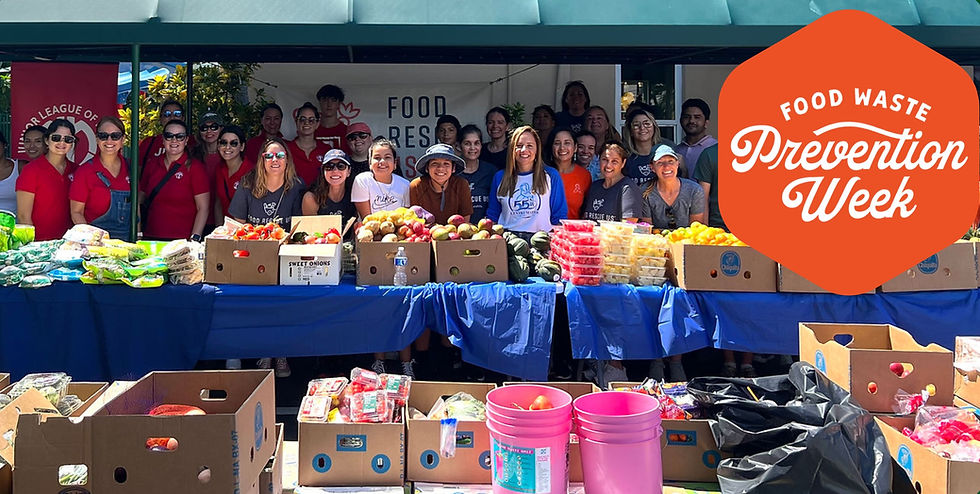
No single operator, company, or policy will solve food waste. Progress comes from many groups doing their part and sharing what they learn:
Chefs and kitchen teams who adjust batch sizes, repurpose ingredients, and flag what isn't moving.
Dining directors and operators who set waste goals and give their teams the tools and time to meet them.
Guests and students whose choices at the station and on the plate shape what gets made next time.
Sustainability leaders who connect kitchen data to ESG commitments and report progress honestly.
Growers, donation partners, and food recovery groups who keep good food in use and feed people.
Technology partners who make the data easy to capture and act on.
At Metafoodx, we see ourselves as one part of that community. Our customers in healthcare, higher education, hospitality, corporate dining, and cruise operations are the ones doing the work in their kitchens every day. Our job is to make that work lighter and the results easier to see.
Join our Food Waste Prevention Week webinar

To mark the week, Metafoodx is hosting a free webinar with GeoGardenClub and Share My Meals: Leveraging Technology to Prevent Food Waste from Garden to Kitchen.
The panel looks at food waste prevention across the whole food journey, from the garden to the commercial kitchen to food recovery. Speakers include:
Fengmin Gong, CEO and Co-Founder, Metafoodx
Jenna Deane, Founder, GeoGardenClub
Victoire Cleren, Chief Technology Officer, Share My Meals
When: Saturday, October 3, 2026, 2:00 to 2:50 PM EDT
How Metafoodx helps foodservice teams cut waste

Y
ou can't reduce what you can't see. Many kitchens still rely on paper logs, spreadsheets, or best guesses to understand where food goes. Teams end up working hard without a clear picture of what's actually happening. Metafoodx's AI Scanner changes that with scan-and-go food tracking. Staff scan a pan, and the 3D vision system identifies and measures the food. No manual entry and no extra clipboard work. From there, the platform gives teams visibility from prep to plate:
Back-of-house waste intelligence shows where food is lost during prep and production.
Consumption intelligence compares what was served with what was actually eaten.
Post-consumer intelligence reveals plate waste patterns and guest behavior.
Catering intelligence tracks production, consumption, and waste by event.
With that data, production planning gets more accurate. Teams can see which items are consistently overproduced and plan future menu cycles around what guests actually take. Metafoodx customers have brought overproduction and waste below 10% and seen 5 to 11x ROI. Built-in sustainability reporting also makes it easier to share progress toward ESG goals with leadership.
The result is less waste, better food quality on the line, and kitchen staff who spend less time on manual tracking and more time cooking.
Prevention starts in the kitchen
Food Waste Prevention Week lasts seven days, but the habits it encourages can last much longer. Every pan that isn't overproduced saves money, avoids emissions, and respects the resources that went into it. Small, steady changes across thousands of kitchens add up to measurable impact. We're proud to work alongside the chefs, operators, growers, and sustainability leaders making that happen. We hope you'll join us on October 3.
Frequently asked questions
When is Food Waste Prevention Week 2026?
Food Waste Prevention Week 2026 runs from September 28 to October 4.
How much does food waste contribute to climate change?
Food loss and waste make up 8 to 10% of global greenhouse gas emissions. In the U.S., ReFED estimates that surplus food produces emissions equal to 51 million cars driven for a year.
How much food does the foodservice industry waste?
U.S. foodservice generates 12.5 million tons of surplus food a year. That food is worth $157 billion, or about 14% of foodservice sales.
What is the best way for commercial kitchens to reduce food waste?
Start by measuring it. When you track what is produced, served, eaten, and thrown away, you can see where overproduction happens and adjust production planning with confidence.
Metafoodx is an AI-powered food intelligence platform that helps foodservice operations reduce waste, cut costs, and improve kitchen efficiency. Ready to see how we can help transform your food service operation? Book a demo with our team today.


Comments