How Buffet Operations in Hotels Can Reduce Food Waste Efficiently
Updated: 2 days ago

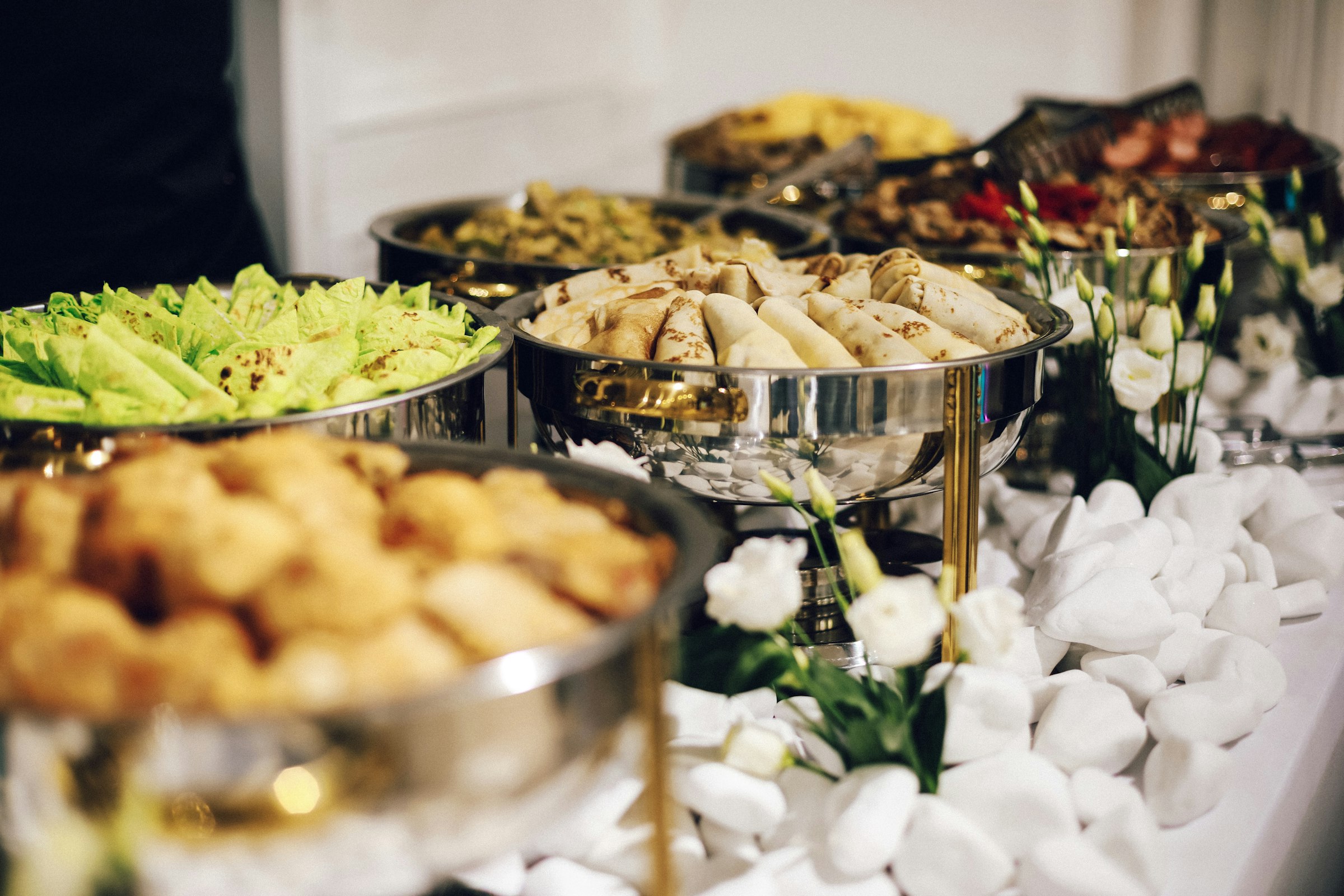
Hotel food waste management is one of the most expensive and overlooked operational problems in the hospitality industry. Buffet service, by design, demands abundance.
Cutting it pays off. In a Champions 12.3 study of 42 hotels, kitchen food waste dropped 21% on average in the first year, and hotels saved $7 for every $1 invested.
Guests expect full trays, varied options, and a spread that looks plentiful from the moment they walk in. The result is a format that structurally produces excess every single service.
Hotels that are serious about profitability and sustainability cannot afford to manage this problem with guesswork. Smarter production planning, real-time tracking, and AI food waste tracking give kitchen teams the visibility they need to run sustainable buffet operations without cutting corners on the guest experience.
Why Hotel Buffets Waste So Much Food

Hotel buffet overproduction is not a management failure. It is a direct consequence of how buffets are designed to function. Guests expect full stations. Running out of a dish during service is a visible and costly failure. So chefs do what any rational kitchen professional would do: they cook more than they expect to need.
The problem compounds at every stage. Purchasing teams over-order to protect against supply gaps. Prep cooks over-produce to cover demand uncertainty. Buffet line managers overfill trays to maintain presentation standards. By the time a service ends, waste has accumulated at four separate points in the operation, and most hotels have no system that connects them.
What makes this especially costly is the data blind spot at the center of it. Most commercial kitchen food waste problems in hotels go unmeasured. Teams do not have real-time visibility into what was served, what was consumed, and what was thrown away. Without that data, the same overproduction decisions get made the next day, and the day after that.
5 Strategies Hotels Use to Reduce Buffet Food Waste
These are operational changes that hotel kitchens are implementing to bring hotel buffet food waste under control.
1. Shift from Guesswork to Data-Driven Production Planning
Most hotel kitchens still build production sheets from a combination of experience, seasonal estimates, and gut instinct. That approach does not get more accurate over time because it does not learn. The same assumptions get recycled from one service to the next.
Data-driven buffet production planning to reduce waste changes that dynamic. When kitchens track actual consumption over time by dish, day of week, event type, and guest count, they build a ground-truth picture of demand.
Production decisions stop being guesses and start being informed by what guests actually ate last Tuesday versus last Saturday. That specificity is what closes the gap between what is made and what is needed.
2. Track What Comes Back, Not Just What Goes Out
Production tracking tells you what left the kitchen. Return tracking tells you what actually got consumed. Most hotels only measure one side of that equation, which means they are missing the data that matters most for diagnosing overproduction.
Logging returnables, what came back to the kitchen after service, what was reused, what was donated, and what was composted, closes the loop. It reveals which dishes are genuinely popular and which ones are habitually overproduced because they have always been on the line.
That distinction is critical for how to measure food waste in a hotel kitchen accurately, and for making production changes that hold.
3. Use AI Food Waste Tracking to Monitor in Real Time

Manual logging is slow, inconsistent, and dependent on staff following a process correctly every shift. AI food waste tracking removes that dependency. AI scanning technology identifies dishes by weight and item automatically, capturing data during service rather than after the fact.
The practical difference between logging waste retroactively and having real-time food waste monitoring in hospitality is the ability to intervene. When a kitchen team can see during service that a specific dish is coming back at high volume, they can adjust the next replenishment batch before the problem grows.
Metafoodx's Mobile AI Scanner works in exactly this way inside hotel and resort buffet environments, scanning pans before and after service to produce actionable data without requiring manual input from kitchen staff.

4. Optimize the Buffet Menu Based on Actual Guest Demand
Not every dish on a buffet line earns its place there. Some items look good and rarely get touched. Others disappear within the first twenty minutes of service. Without consumption data, it is impossible to tell the difference objectively.
Using food waste analytics for hotel kitchens to identify low-consumption items allows kitchen teams to rationalize the menu without guessing at guest preferences. Portion sizes can be adjusted. Replenishment schedules can be tightened so that food hits the buffet line fresher and in smaller batches.
The guest experience often improves with this approach because freshly replenished food consistently outperforms food that has been sitting in full trays since the start of service.
5. Build a Donation and Composting System for Unavoidable Surplus
Even a well-managed buffet will have surplus on some days. Demand is not perfectly predictable, and there will always be occasions where production exceeds consumption despite best efforts.
A structured donation and composting process turns unavoidable surplus into community value rather than landfill volume. Tracking software makes it straightforward to log donation quantities accurately, which feeds directly into ESG reporting and sustainability credentials that hotel procurement teams are increasingly required to demonstrate. Sustainable hotel buffet strategies are not complete without this layer.
What Do Sustainable Buffet Operations Actually Look Like in Practice?
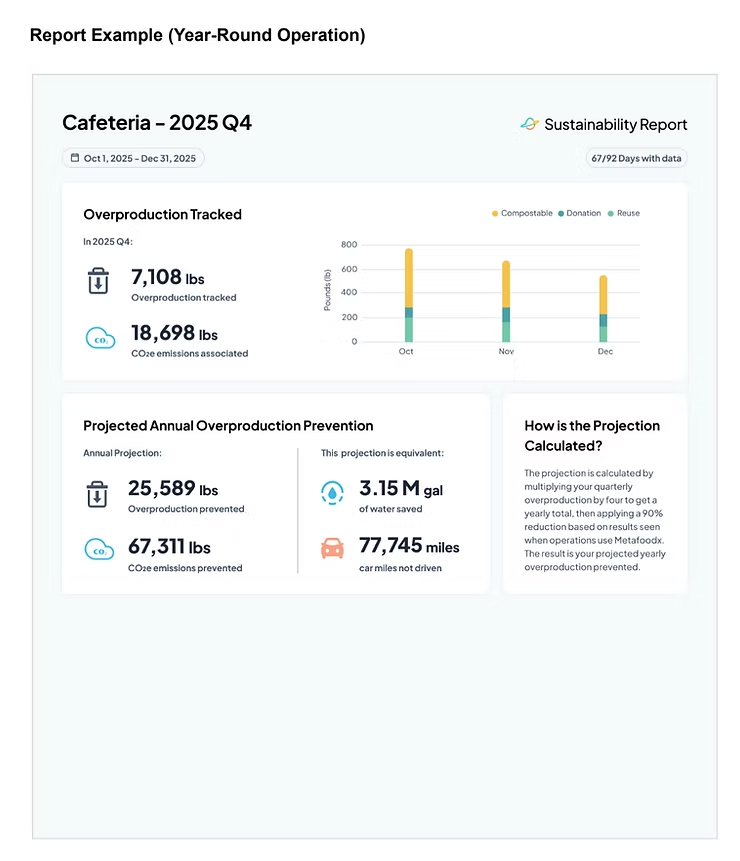
Mayan Princess Beach and Dive Resort in Honduras is a useful example. Their kitchen team faced the same challenge that most resort properties do: a high-volume buffet format, limited real-time visibility into consumption, and production decisions that repeated the same overproduction patterns week after week.
After implementing Metafoodx, the team was able to see for the first time which dishes were being overproduced and which ones were actually driving guest demand. Manual estimation gave way to data-informed production. The operational change was not about reducing what was available to guests. It was about producing the right quantities of the right things at the right time.
This is what sustainable buffet operations look like in a real kitchen. The result at Mayan Princess was a 23% reduction in overproduction, which represents a measurable improvement in both cost control and sustainability performance.
"Metafoodx gave us something we never had before — real visibility into our kitchen operations. Now we know exactly what our guests are consuming and where we're overproducing, which allows us to adjust quickly, reduce waste, and run a much more efficient operation." Juan Gomez de la Torre, General Manager, Mayan Princess Beach and Dive Resort |
Ready to Take the Guesswork Out of Your Hotel Kitchen?
The strategies covered in this blog share a common foundation: data. How hotels reduce food waste in buffet service is not a mystery. It is a process. And that process depends on knowing, in real terms, what is being produced, what is being consumed, and where the gap is.
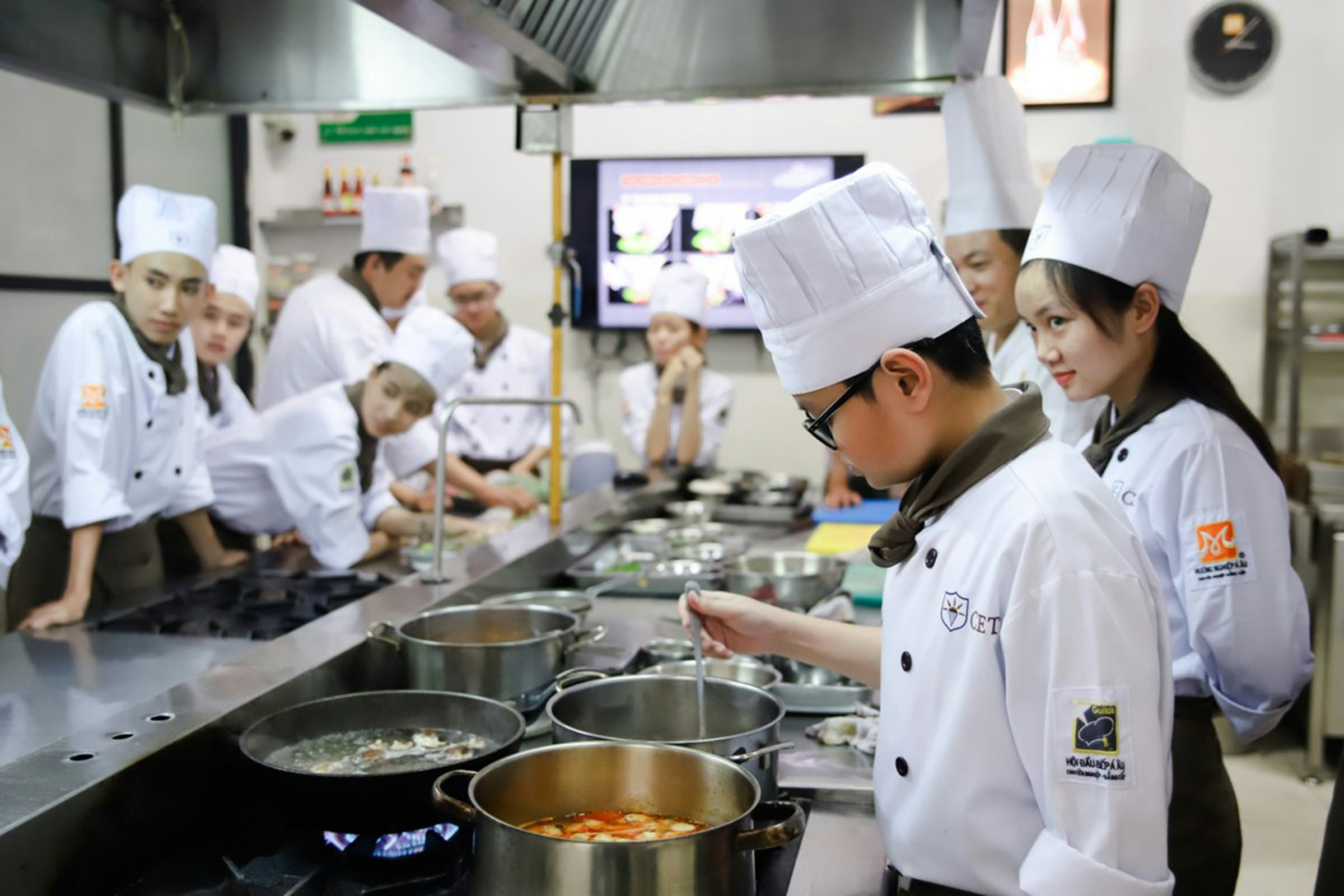
Metafoodx is built specifically for hotel and resort kitchens. The Mobile AI Scanner integrates into existing buffet operations without disrupting service, and the insights it generates are designed for the decisions kitchen managers actually make.
Related reading: How Does AI Improve Buffet Food Production Planning?
Frequently Asked Questions
How much food does a typical hotel buffet waste per service?
Industry research from organizations like UNEP and ReFED consistently shows that food service operations, including hotel buffets, generate significant waste relative to what is served. The exact volume varies based on property size, guest count, and menu complexity, but the consensus is that buffet formats generate more waste per cover than plated service because of the structural need to maintain full trays throughout service.
What is the biggest cause of overproduction in hotel kitchens?
The biggest driver of hotel buffet overproduction is the absence of accurate consumption data. Kitchens produce based on estimates because they do not have ground-truth records of what guests actually ate in previous services. Without that data, overproduction is the rational default because running out is more visible and more immediately damaging than throwing food away.
How does AI food waste tracking work in a hotel setting?
AI food waste tracking in a hotel buffet context typically involves a scanner that identifies dishes by weight and item at two points: before service and after service. The system automatically logs the difference, which represents what was consumed versus what was returned. That data is aggregated in a dashboard that kitchen managers can use to adjust production planning going forward.
Can hotels reduce food waste without reducing the quality of the buffet experience?
Yes, and in many cases, the guest experience improves when buffet food waste is actively managed. Smaller, more frequently replenished batches mean guests encounter fresher food more consistently than they do when trays are filled to capacity at the start of service and left to sit. Reducing overproduction does not mean reducing variety or availability.
How does Metafoodx help hotels manage buffet food waste?
Metafoodx provides AI-powered kitchen management for hotels through its Mobile AI Scanner and analytics dashboard. The system scans pans before and after buffet service, automatically identifies dishes and weights, and generates production insights that kitchen teams can act on without manual data entry.
Related reading: How to Reduce Food Waste in Hotels and Cut Food Costs · The Hidden Cost of Overproduction in Buffet Kitchens
Metafoodx is a food operations intelligence platform that captures the food journey from prep to plate, so foodservice teams can lower food cost, produce more accurately, and prevent waste before it happens. Ready to see how we can help transform your food service operation? Book a demo with our team today.