AI Food Demand Forecasting: How Commercial Kitchens Reduce Overproduction
Updated: 1 day ago

Before each service, a commercial kitchen has to decide how much of each dish to make. Most teams base that on past practice plus a safety buffer, and the buffer adds up: overproduction is the leading cause of wasted food in back-of-house foodservice operations, according to ReFED.

Demand forecasting uses your kitchen's own records instead. It looks at how much of each menu item was eaten on comparable days and recommends a quantity for the next service. Below is how it works, how a resort and a university use it, and how chefs apply it during service.
How Forecasting Works in a Commercial Kitchen
Metafoodx builds the kitchen's records with a scanner on the line. Each pan is scanned as it goes out and again when it comes back, and the scanner records the menu item, net weight, temperature and a photo. Over a few weeks, that gives the kitchen a history of production, consumption and leftovers for every item, by meal period, station and venue.

The forecast compares that history across comparable services: the same day of the week, the same point in the menu cycle and the same meal period. It then adjusts for factors that move demand, such as weather, special events and station popularity. The result is a planned quantity for each menu item in pounds, with its prep cost, and a flag on items where prep should change.

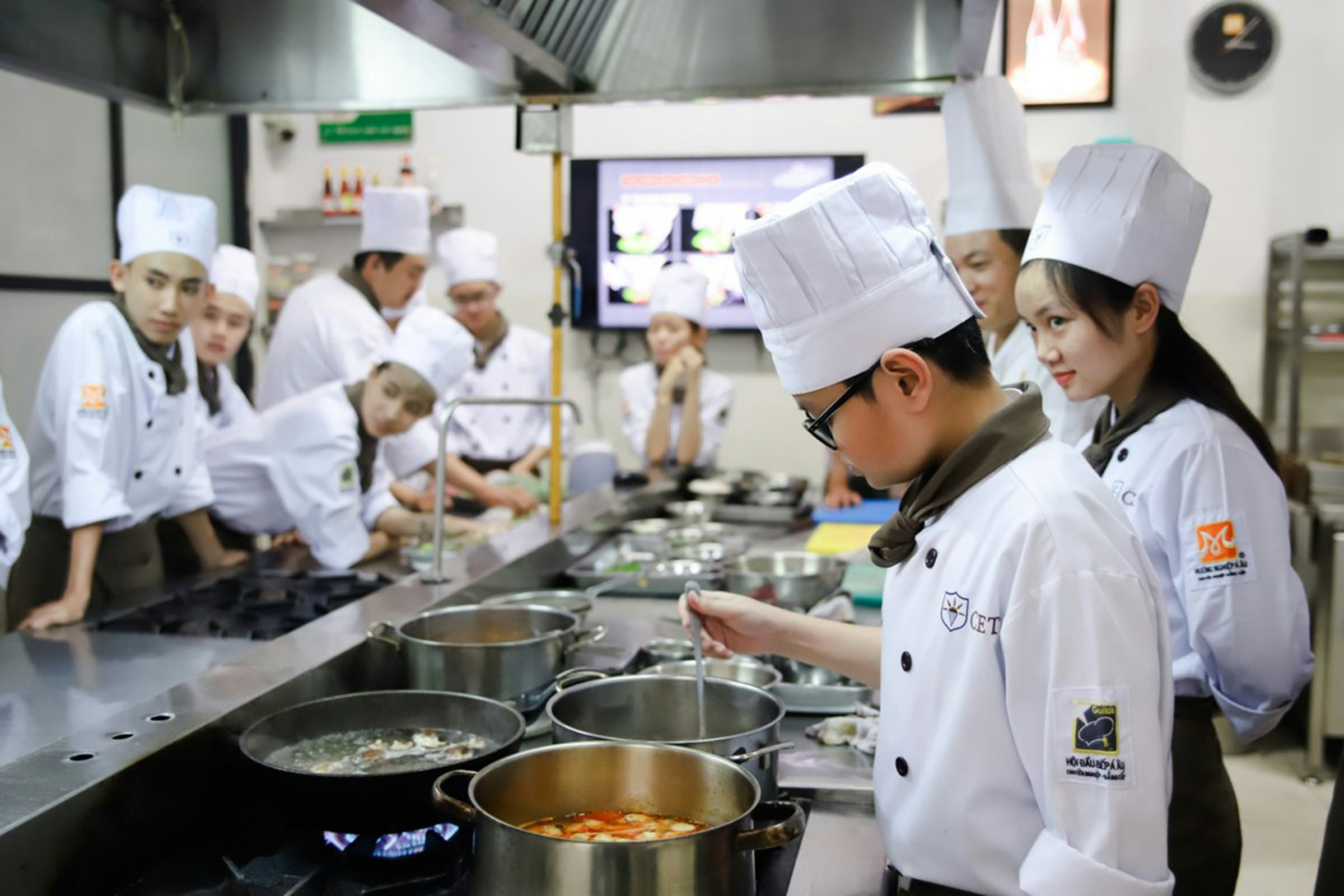
Chefs review the forecast before service and adjust it for anything the history can't show, such as a conference booking or a dining hall closure. They then set a first batch and a rule for when to cook more.
What the Forecast Needs From the Kitchen
Forecasts get more accurate when menu-item names stay consistent, every pan is scanned (including slow periods, since a missed scan looks like lower demand), and stockouts are recorded. A dish that sells out early shows few leftovers, but it also hides demand the kitchen didn't meet.

If your operation already uses a menu or kitchen management system such as JAMIX, Illumia or Parsley, Metafoodx can pull planned items in and send production and consumption data back, so the team isn't entering the same menu twice.
Hotel Example: Planning a Five-Venue Resort Buffet
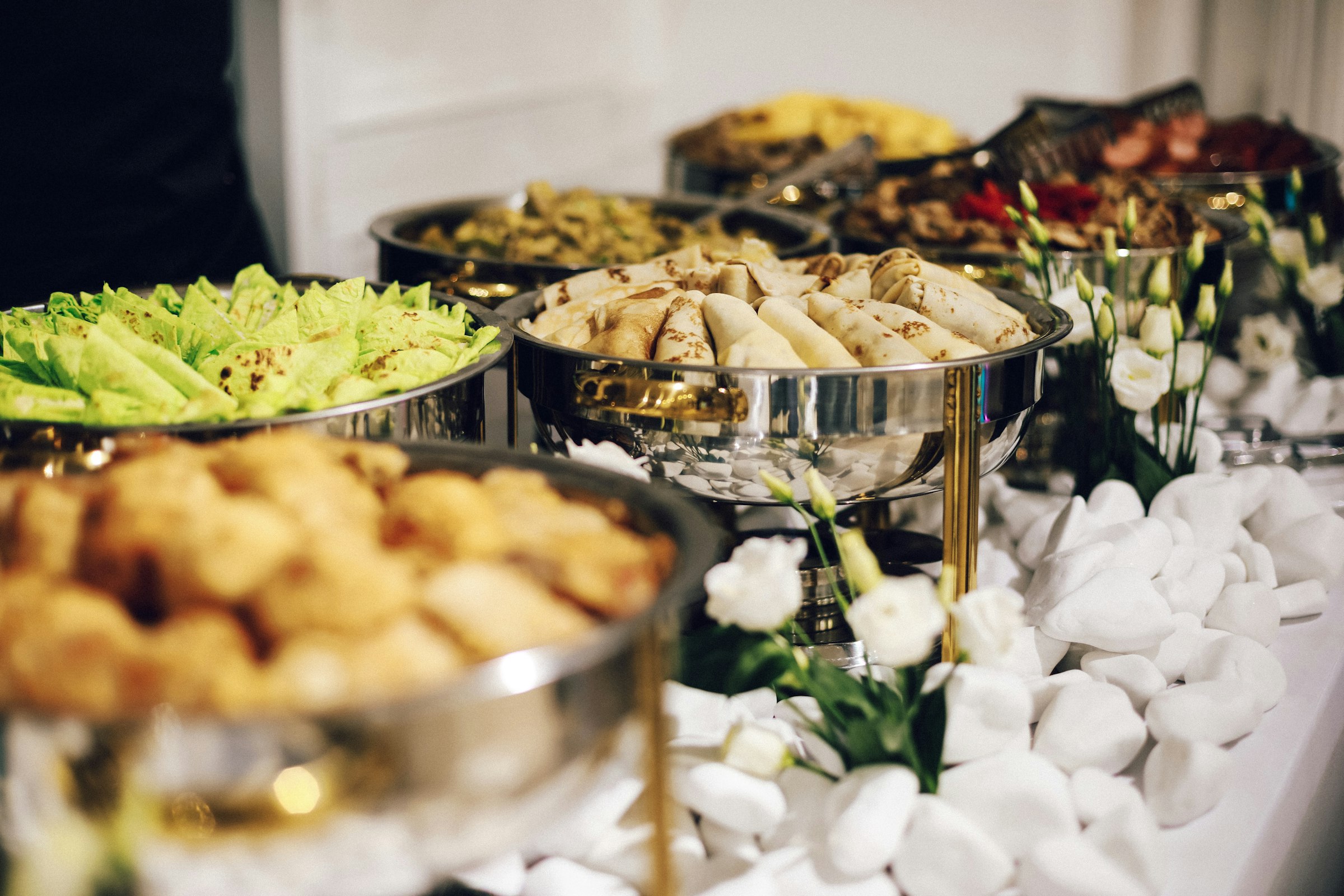
Mayan Princess Beach & Dive Resort in Roatán, Honduras runs buffet and station dining across five venues. Before Metafoodx, the culinary team had no reliable record of what guests ate compared with what the kitchen prepared, so chefs cooked extra on every station to avoid empty trays.
The scanner went live in August 2025 and captured thousands of scans across the five venues in the first weeks. The data showed which items guests reached for and which ones came back. Watermelon was the most consumed item, baleada dough was in high demand, and tomato was the most overproduced item on the line. Chefs used that to trim production on specific items, often by around 10 percent, without leaving the buffet short.
Within six months, overproduction was down 23 percent and the resort had earned an 820 percent return on the system. For hotel kitchens, this means forecasting by venue and station rather than for the whole property, and planning each item as a first batch plus replenishment instead of filling every tray at the start of service. Occupancy, group bookings and the length of the service window all belong in that plan.
University Example: Planning by Dining Hall and Menu Cycle
At UMass Amherst, ranked No. 1 for Best Campus Food by The Princeton Review for ten years running, the Harvest Market team already cooked just in time. What they lacked was item-level data. Staff wrote down production and consumption estimates during busy shifts, which took hours per station and left room for error.
With every pan scanned, the team could see consumption by menu item and meal period and plan from it. Overproduction fell 51.7 percent within three months. When egg prices climbed past $8 a dozen, the same data helped cut egg leftovers by 42.5 percent. The program returned more than 500 percent from food and labor savings.
Campus demand moves with the academic calendar, so university forecasts work best when they compare like with like: the same dining hall, the same meal period and the same point in the menu cycle. Exam weeks, breaks, move-in, home game days and campus events each shift demand in predictable ways once a few semesters of data are in place. Record manual overrides too, so the team can see later why a plan changed.
Using the Forecast During and After Service
During service, the Metafoodx mobile app shows consumption and overproduction by menu item during service, so a chef can see whether demand for a dish is still climbing or already tapering off before sending out another full pan. Freshness alerts track how long each pan has been on the line and flag when it needs a quality check or rotation.
After service, the numbers go back into the next plan. Each week, Metafoodx sends a report that ranks the items with the highest overproduction and the overproduced items costing each venue the most. Most teams use it in a short weekly review: they pick one or two items, adjust the plan, and check the same items the following week. Judge any change on run-outs and guest feedback as well as leftovers, so a smaller batch doesn't simply move the problem to empty trays.
Forecasting for Other Commercial Kitchens
Forecasting works the same way in other kitchens where demand changes daily. Hospital kitchens feed patients, staff and visitors around the clock, and patient census changes the plan for every meal period. Corporate dining programs now plan around hybrid schedules, so office attendance on a Tuesday may look nothing like a Friday. Catering teams plan event by event; Metafoodx's Catering Mode tracks each event by its banquet event order (BEO) number, so the next similar event can start from what guests actually ate.

Frequently Asked Questions
What is AI food demand forecasting? It uses a kitchen's own production and consumption records to predict how much of each menu item to prepare for an upcoming service, adjusted for factors like day of week, weather and events.
How much data does a kitchen need before forecasts are useful? Most kitchens start with a few weeks of consistent scanning so there are several comparable services for each menu cycle. Forecasts improve as more services are recorded.
Does forecasting replace the chef? No. It gives the chef a starting quantity based on past demand, which the chef adjusts for events, menu changes and anything the history doesn't capture.
Which operations benefit most? High-volume kitchens with variable demand: university and college dining, hotels and resorts, hospitals, corporate dining, catering and contract foodservice.
Related reading: How to Reduce Overproduction in Commercial Kitchens · How Metafoodx Works: From Food Scans to Production Decisions · Buffet Production Planning for Hotels and Resorts
To compare the cost effect of a production change, use the food cost calculator and cost-per-meal worksheet with consistent periods and food scope.
Metafoodx is a food operations intelligence platform that captures the food journey from prep to plate, so foodservice teams can lower food cost, produce more accurately, and prevent waste before it happens. Ready to see how we can help transform your food service operation? Book a demo with our team today.